Street harassment affects women all over the U.S., but its prevalence varies greatly between cities, as well as street-to-street within those cities. The new Hollaback! mobile app enables women to map incidents of street harassment as a useful reference to others who seek safe and peaceful routes. The app is offered on both iPhone and Android.

Emily May, Co-founder and Executive Producer of Hollaback! comments on the rise of conversation about sexual harassment. “We know that movements start because people tell their stories,” she said. “In the last five years, we’ve seen the public conversation on street harassment change drastically as people stand up and share their experiences.”

People are also encouraged to post their experiences with sexual harassment under the hashtag #iHollaback. The organization has also partnered with retailer ModCloth to campaign against the notion that the way a woman dresses invites sexual harassment.

The app opens a map of the phone’s surrounding location, with different colored dots representing incidences of different types of street harassment. The goal of Hollaback! is that women can use this data to avoid streets that are generally felt to be unsafe. Additionally, the app has a “take action” page that lets users indicate whether they have witnessed sexual harassment in a certain location.

Article via Bustle, 11 September 2015

Photo: Done Shopping via John Fraissinet [Creative Commons Attribution-NonCommercial-NoDerivs]

UNICEF has teamed up with Target to offer fitness bands for children, in an effort to tackle American childhood obesity and global malnutrition. The partnership is part of the UNICEF Kid Power program, an expansion of a successful pilot program in Boston, Dallas, and New York earlier this year. During the pilot in March of 2015, 12,000 students from the three cities walked 500,000 miles, inciting UNICEF to donate nearly 200,000 therapeutic food packets to children in developing countries.

The fitness bands connect to a mobile app that presents fitness challenge goals and provides information on other cultures. Points given for completing challenges are redeemed for life-saving therapeutic food packets that UNICEF delivers to families with malnourished children globally.

Target now sells the wristbands online for $39.99. Each wristband sold before Dec. 31 of next year donates $10 to the U.S. Fund for UNICEF. The wristbands will be sold in select stores in 2016.

The program was originally inspired by alarming parallel statistics: 1 in 4 children in the U.S. are underactive, and more dramatically, 1 in 4 children in the world are malnourished. Carl Stern, president and CEO of the U.S. Fund for UNICEF, says, “first and foremost, I’m a mom. I cannot imagine the heartbreak of being a mom who can’t feed her children … In the year 2015, we should be able to make sure that all children get a meal.”

Article via Mashable, 13 October 2015

Photo: Omloop Grolloo 2010 via Martin Borgman [Creative Commons Attribution-NonCommercial-NoDerivs]

Two former data analysts at Capital One are being accused of using their positions as data analysts to calculate sales trends for major U.S. companies and then purchase stocks ahead of the companies’ reported earnings. Using this method, the two former employees allegedly made $2.8 million dollars from $150,000 in investments. Capital One issues company smartphones to each employee, but each employee chooses their own passcode which is unknown to Capital One. Therefore, even though Capital One turned the two data analysts’ phones over to the SEC, who is conducting the investigation, the SEC cannot unlock them and therefore requested that the court order the two defendants to relinquish their passcodes. The defendants are pleading the Fifth Amendment, though. They are of the opinion that being forced to give up the passcodes would be akin to forcing them to testify against themselves, leading to self-incrimination. Self-incrimination would violate the Fifth Amendment.

But does the Fifth Amendment truly apply to this situation? According to a new ruling by Judge Mark Kearney, the court agrees with the defendants’ view. Judge Kearney’s opinion centers around his interpretation of the forgone conclusion doctrine. Essentially, the foregone conclusion doctrine states that that Fifth Amendment cannot be used to refuse an order if the testimonial from complying with the order is known and the testimonial from complying is not what the court is trying to prove. For example, if the court ordered a defendant to relinquish all illegal substances in their possession, the defendant could plead the Fifth Amendment because the act of handing over illegal substances incriminates the defendant. The interpretation of the forgone conclusion doctrine in this case comes down to what testimonial results from giving up the passcodes. The SEC argues that that by giving up the passcodes, the defendants admit to having previously used the phones, which the SEC is aware of and not trying to prove. Judge Kearney, however, argues that foregone conclusion concerns the specific documents that the SEC is seeking, which may or may not be on the phones. Therefore, the forgone conclusion doctrine does not apply.

Who is correct? Some disagree with the Judge Kearney and are of the opinion that gaining access to the phone is independent whatever records may or may not be stored on the phone, and forgone conclusion should apply. Either way, there are other ways that the SEC can word the order for the phones to be unlocked that do fall under the foregone conclusion doctrine. For example, the defendants can be ordered to input the passcodes themselves and then have the opened phones delivered to the SEC, in which case the only testimonial is that the defendants have used the phones enough to be knowledgeable of the passcodes, a fact that is already well known.

Article: Washington Post, September 24, 2015

Photo: iPhone via Jared Earle [Creative Commons Attribution-NonCommercial-NoDerivs]

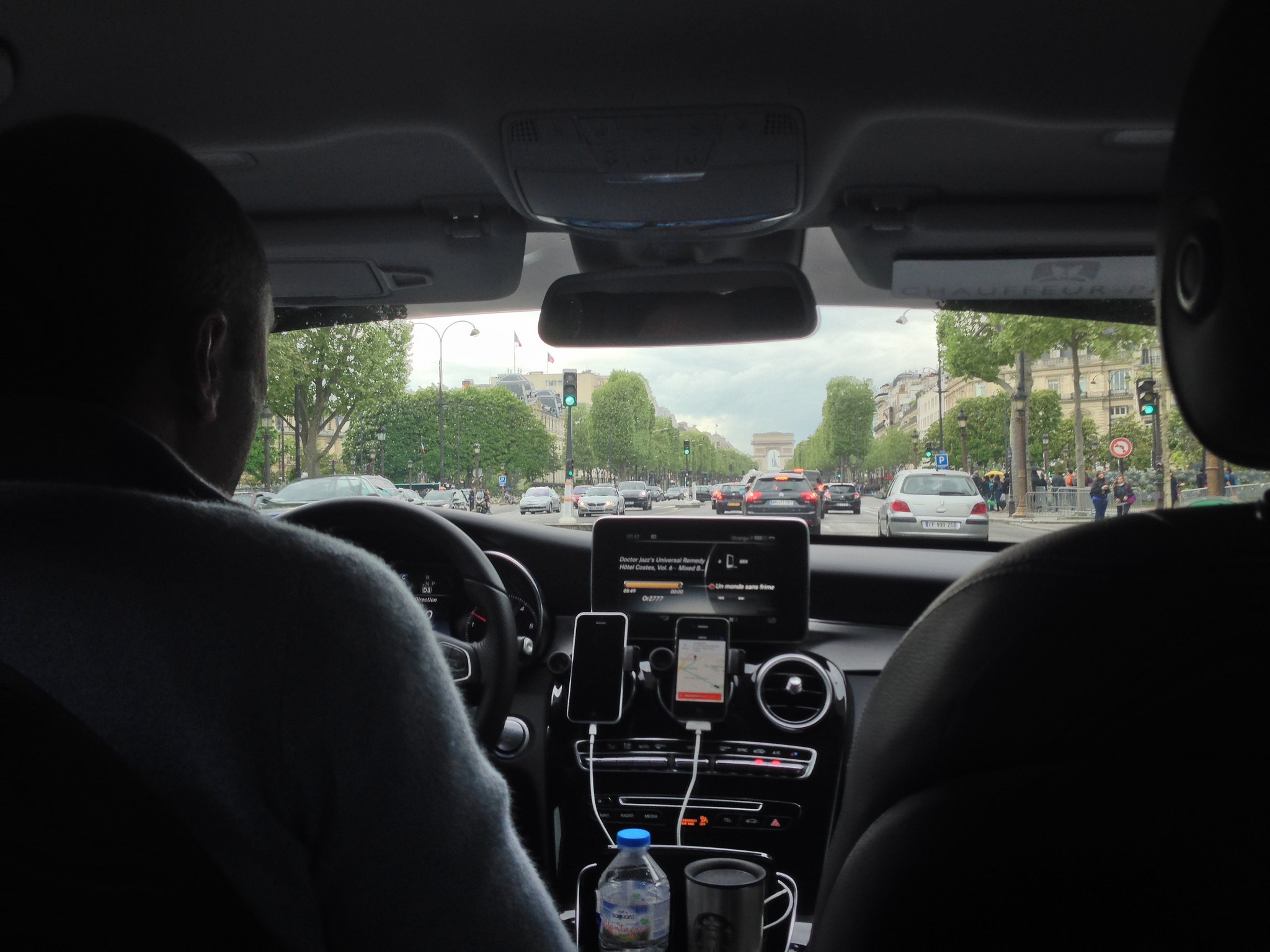
Many objections have been made to Uber in the past, and now Uber is facing a lawsuit after two anonymous women have stated that they were sexually assaulted by Uber drivers. Not only does the lawsuit call into question how effective Uber’s background checks are, it also attacks Uber’s marketing strategy. The lawsuit claims that because Uber advertises its service as a safe way to get home for young women who have been drinking, Uber should be more closely monitoring the actions of their drivers. The official complaint from the two women who were allegedly assaulted states that, “By marketing heavily toward young women who have been drinking, while claiming that rider safety is its #1 priority, Uber is instead putting these women at risk.”

Uber drivers have been classified as independent contractors rather than employees up until now, but this lawsuit could force Uber to exert more control over their drivers. The lawsuit calls for Uber to up their safety measures, including conducting more thorough background checks with drivers and requiring drivers to place a GPS tracking system in their car that will set off an alarm if the driver goes off-course. Other requests include a 24-hour customer support hotline and forcing drivers to disable child-lock features on doors in Uber drivers’ vehicles.

While Uber maintains that they have ” strict safety standards”, this lawsuit is not the first time its drivers have been accused of sexual assault. Uber uses the company Hirease to screen potential drivers, and several databases are checked to make sure the driver in question has not committed any violent crimes or sexual violence, among other violations. Determining if Uber is at fault for these assaults is difficult, Sarju Naran, an attorney for Hoge Fenton’s law group, explains: “Even with thorough background checks, it is often difficult to predict if or when someone might engage in violent or other criminal acts.” If Uber is found to be liable for these drivers’ crimes, though, it will have serious ramifications for the company moving forward.

Article via CNET, October 8, 2015

Photo: Paris, as seen in the back of an Uber via Kirsten [Creative Commons Attribution-NonCommercial-NoDerivs]

Natural disasters call for efficient and comprehensive aid. Oftentimes, however, a disconnect exists between different organizations and the people they help. Disaster Tech Lab seeks to eradicate that issue by creating networks for people to communicate in affected areas.

Founded in 2010 by Evert Bopp, the team currently consists of 200 volunteers. Members of Disaster Tech Lab’s “IT mercenaries” travel to areas struck by natural disaster and establish Internet and telecom networks, analyze the safety of infrastructure, and build semi-permanent communication networks. The organization has expanded to help areas affected by issues other than natural catastrophes, in many cases humanitarian crises.

Recently, the Disaster Tech Lab has focused its efforts on the refugee crises in Europe. The Lab’s first response is to create WiFi networks so that first aid workers and responders can communicate, and so that those who need help—in this case, refugees from Syria, Afghanistan, and Eastern Africa—can contact family members and aid organizations.

The team of volunteers generally tries to re-visit a site two to three times in the year following the event. These follow up “deployments” are for the purpose of teaching locals how to use and maintain the technological tools on their own.

Bopp describes this philosophy of creating lasting aid. “We have a strong focus on connecting affected communities,” he says. “Large NGOs might only be there temporarily. We want to help local communities in the short-term and the long-term.”

Article via Mashable, 9 October 2015

Photo: Thousands Displaced Due to Flooding in Cap-Haïtien, Haiti via United Nations Photo [Creative Commons Attribution-NonCommercial-NoDerivs]

A number of forensic devices use proprietary software to convict defendants. Breathalyzers, DNA testing, facial recognition, and other tools are not fail-proof mechanisms, but rather coded programs designed to test variables accurately. Unfortunately, these devices don’t always achieve that goal, and rulings in California, Pennsylvania, North Carolina, and Florida have determined that defendants are not legally granted access to the code that indicts them.

In California, for instance, Defendant Martell Chubbs is sentenced for a cold case murder committed in 1977. The only evidence is a DNA match configured by a proprietary software program. Chubbs requested access to the software’s source code so that he could compare the code to the currently established scientific procedure for DNA matching. He was denied on the grounds that the defense attorney might duplicate the code, resulting in financial losses for the manufacturer.

It’s not unreasonable that a forensic tool would be miscoded, either intentionally or not. The major car company Volkswagon had a recent scandal that highlighted intentional software glitches employed by well-known, regulated manufacturers. The company manipulated its code to cheat emission tests for 11 million diesel cars, each producing smog at 40 times the legal limit. Volkswagon’s actions carry the weight of an important message: any software program used for public purposes may contain mistakes, and those mistakes will never be discovered if the code is proprietary.

The Innocence Project found that debauched forensic science resulted in the wrongful convictions of 47 percent of exonerees. President Obama has stated that if cross-examination isn’t fair and thorough, forensic testimony is “nothing more than trial by ambush.”

Article via Future Tense, 6 October 2015

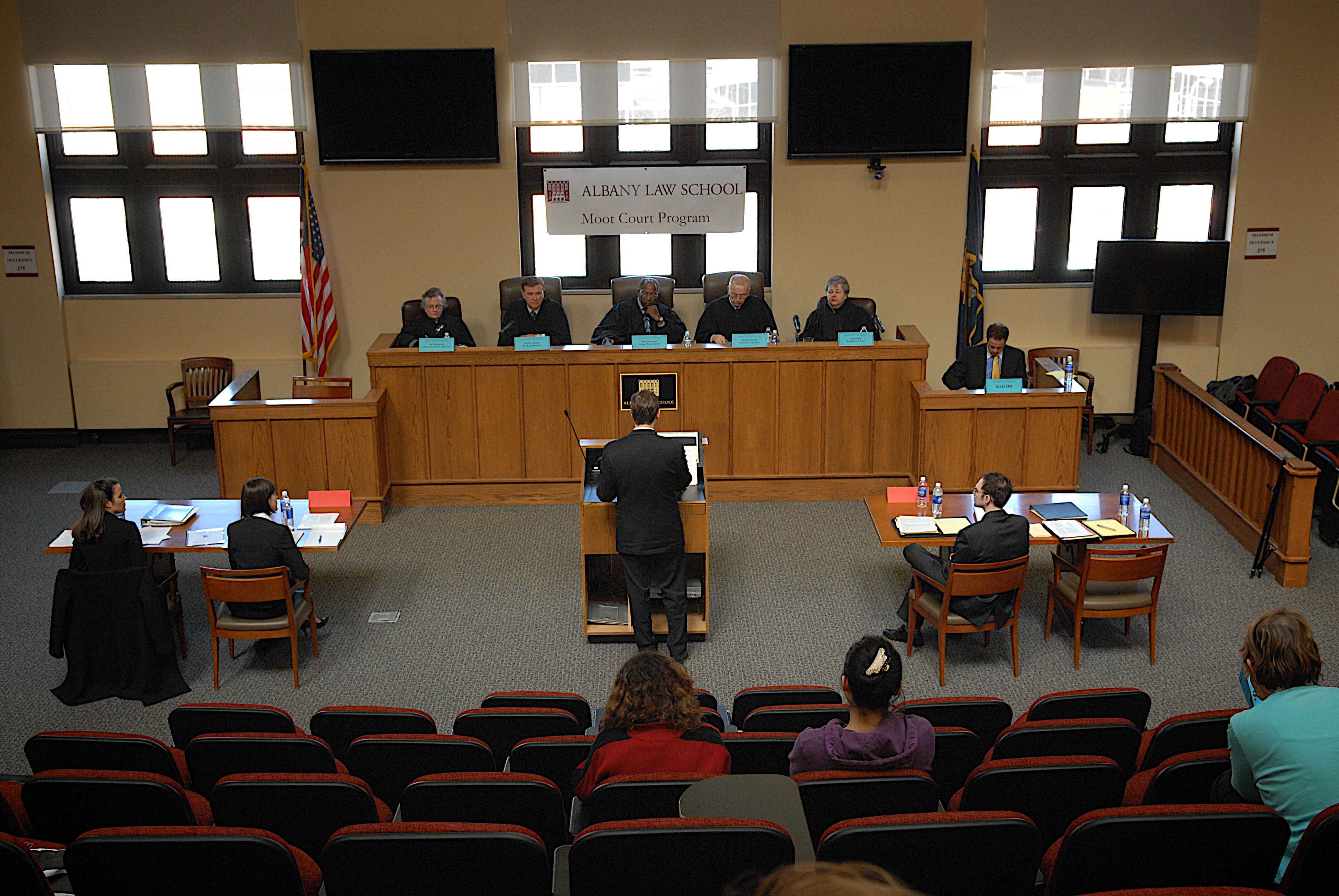
Photo: 2009 Gabrielli Family Law Moot Court Competition via Wake Forest University school of Law [Creative Commons Attribution-NonCommercial-NoDerivs]