Globally, off-grid villages have few reliable energy sources. People throughout the world rely on solar products donated from non-profit organizations—which are not guaranteed indefinitely—or resort to purchasing expensive and unclean energy like kerosene, due to a lack of investment capital for cleaner energy. Angaza, a San Francisco startup, seeks to facilitate the purchase of clean energy by off-grid communities at affordable rates.

Angaza has a Pay-As-You-Go (PAYG) system in which a person can make a small down payment of under $5 to take a pico-solar device home. The solar device has a meter that measures energy usage against the original payment, and shuts off automatically when the paid amount of energy has been used up. At that point, the user can make a mobile payment to reactivate their device, or sign up for a weekly payment of roughly $1-$2 until they pay it off (in usually under a year).

Angaza’s initial target region is West Africa, where a majority of adults own mobile devices. USAID is funding Angaza’s field research on the PAYG system in rural Tanzania. Angaza will also be partnering with SunnyMoney, the top distributor of pico-solar products in Africa. Angaza collects a percentage of transaction fees as well as licensing fees from manufacturing companies that use its embedded technology.

CEO Lesley Marincola completed her B.S. and M.S. at in Product Design and Mechanical Engineering at Stanford University, then went on to work on Amazon Kindle’s design team.

Article via TechCrunch and USAID, 23 October 2015

Photo: Solar Energy via itstonyhaha [Creative Commons Attribution-NonCommercial-NoDerivs]
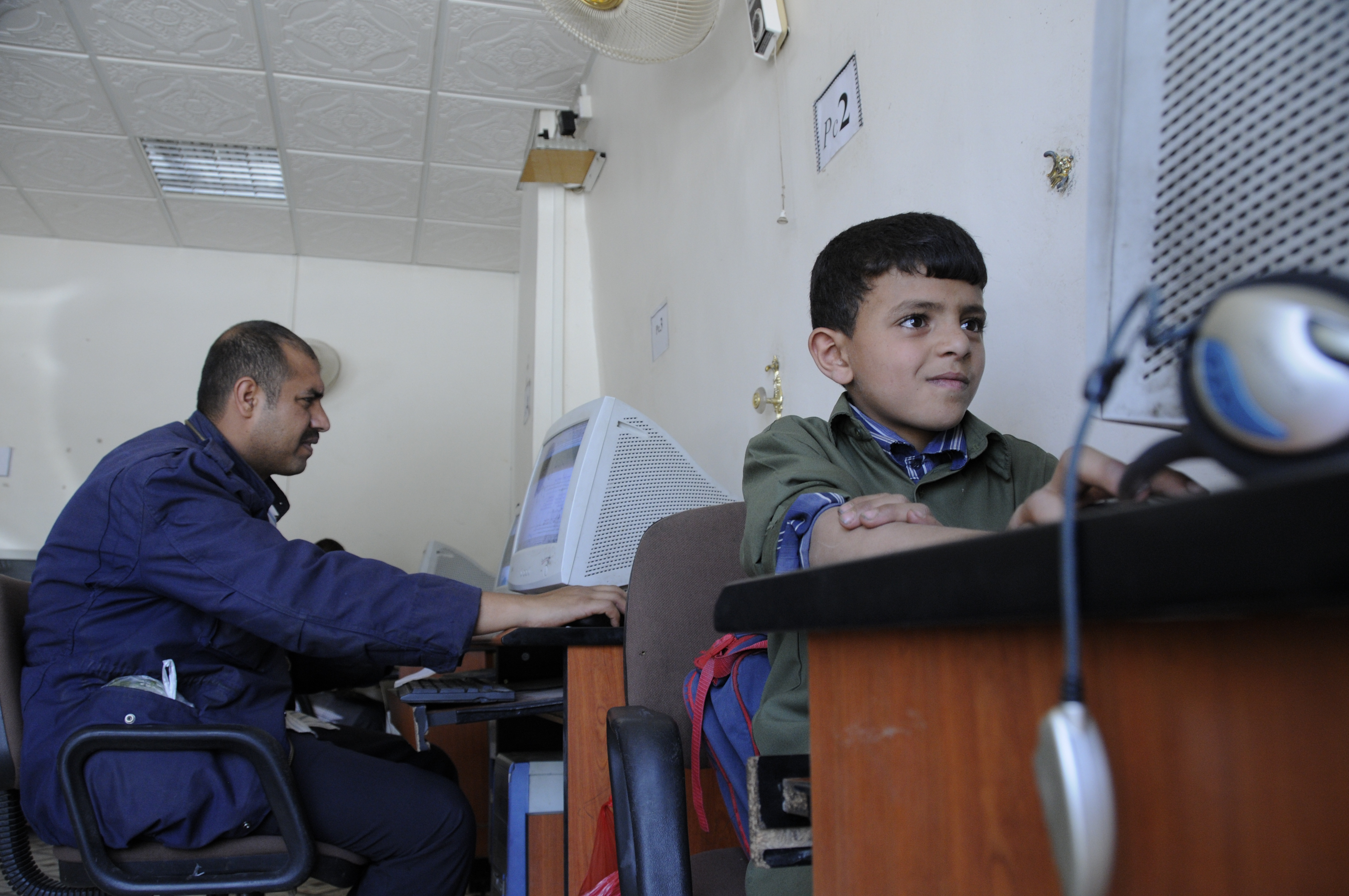
A Citizen Lab report released Thursday revealed that 33 countries are likely using FinFisher, a prominent spyware program. Many of these countries—including Ethiopia, Bangladesh, and Egypt—have suspect human rights standards.

FinFisher enables an organization or government to capture the keystrokes of a computer, as well as use the device’s microphone and camera to surreptitiously eavesdrop on a target. This type of surveillance tool was once only used by advanced governments, but is now available to anyone willing to invest in the service. In the U.S., journalists and dissidents are especially targeted.

Hackings in the past two years have informed researchers about the mechanics of spyware companies. FinFisher was hacked last year, revealing confidential company logistics, and its competitor Hacking Team was hacked this past year, exposing vital emails and files. Errors in spyware servers help Citizen Lab researchers figure out which governments are using the services of companies like FinFisher or Hacking Team.

Spyware servers used by governments often infect and control target computers with malware disguised behind proxies. Researchers found that 135 servers matched the “technical fingerprint” of shady spyware after scanning the Internet, yet they were always directed to a decoy page after typing the server’s Internet address into a Web browser. The decoy pages were most often www.google.com or www.yahoo.com.

However, the decoy sites showed local search results of the server’s origin, and not of the location that the researchers were in when they used the site. One proxy server seemed to be from the United States, then returned an IP address from Indonesia, indicating that the country’s government may be using FinFisher’s services.

Article via The Washington Post, 16 October 2015

Photo: Patrons use computers in an internet cafe via World Bank Photo Collection [Creative Commons Attribution-NonCommercial-NoDerivs]

Street harassment affects women all over the U.S., but its prevalence varies greatly between cities, as well as street-to-street within those cities. The new Hollaback! mobile app enables women to map incidents of street harassment as a useful reference to others who seek safe and peaceful routes. The app is offered on both iPhone and Android.

Emily May, Co-founder and Executive Producer of Hollaback! comments on the rise of conversation about sexual harassment. “We know that movements start because people tell their stories,” she said. “In the last five years, we’ve seen the public conversation on street harassment change drastically as people stand up and share their experiences.”

People are also encouraged to post their experiences with sexual harassment under the hashtag #iHollaback. The organization has also partnered with retailer ModCloth to campaign against the notion that the way a woman dresses invites sexual harassment.

The app opens a map of the phone’s surrounding location, with different colored dots representing incidences of different types of street harassment. The goal of Hollaback! is that women can use this data to avoid streets that are generally felt to be unsafe. Additionally, the app has a “take action” page that lets users indicate whether they have witnessed sexual harassment in a certain location.

Article via Bustle, 11 September 2015

Photo: Done Shopping via John Fraissinet [Creative Commons Attribution-NonCommercial-NoDerivs]

UNICEF has teamed up with Target to offer fitness bands for children, in an effort to tackle American childhood obesity and global malnutrition. The partnership is part of the UNICEF Kid Power program, an expansion of a successful pilot program in Boston, Dallas, and New York earlier this year. During the pilot in March of 2015, 12,000 students from the three cities walked 500,000 miles, inciting UNICEF to donate nearly 200,000 therapeutic food packets to children in developing countries.

The fitness bands connect to a mobile app that presents fitness challenge goals and provides information on other cultures. Points given for completing challenges are redeemed for life-saving therapeutic food packets that UNICEF delivers to families with malnourished children globally.

Target now sells the wristbands online for $39.99. Each wristband sold before Dec. 31 of next year donates $10 to the U.S. Fund for UNICEF. The wristbands will be sold in select stores in 2016.

The program was originally inspired by alarming parallel statistics: 1 in 4 children in the U.S. are underactive, and more dramatically, 1 in 4 children in the world are malnourished. Carl Stern, president and CEO of the U.S. Fund for UNICEF, says, “first and foremost, I’m a mom. I cannot imagine the heartbreak of being a mom who can’t feed her children … In the year 2015, we should be able to make sure that all children get a meal.”

Article via Mashable, 13 October 2015

Photo: Omloop Grolloo 2010 via Martin Borgman [Creative Commons Attribution-NonCommercial-NoDerivs]

Natural disasters call for efficient and comprehensive aid. Oftentimes, however, a disconnect exists between different organizations and the people they help. Disaster Tech Lab seeks to eradicate that issue by creating networks for people to communicate in affected areas.

Founded in 2010 by Evert Bopp, the team currently consists of 200 volunteers. Members of Disaster Tech Lab’s “IT mercenaries” travel to areas struck by natural disaster and establish Internet and telecom networks, analyze the safety of infrastructure, and build semi-permanent communication networks. The organization has expanded to help areas affected by issues other than natural catastrophes, in many cases humanitarian crises.

Recently, the Disaster Tech Lab has focused its efforts on the refugee crises in Europe. The Lab’s first response is to create WiFi networks so that first aid workers and responders can communicate, and so that those who need help—in this case, refugees from Syria, Afghanistan, and Eastern Africa—can contact family members and aid organizations.

The team of volunteers generally tries to re-visit a site two to three times in the year following the event. These follow up “deployments” are for the purpose of teaching locals how to use and maintain the technological tools on their own.

Bopp describes this philosophy of creating lasting aid. “We have a strong focus on connecting affected communities,” he says. “Large NGOs might only be there temporarily. We want to help local communities in the short-term and the long-term.”

Article via Mashable, 9 October 2015

Photo: Thousands Displaced Due to Flooding in Cap-Haïtien, Haiti via United Nations Photo [Creative Commons Attribution-NonCommercial-NoDerivs]
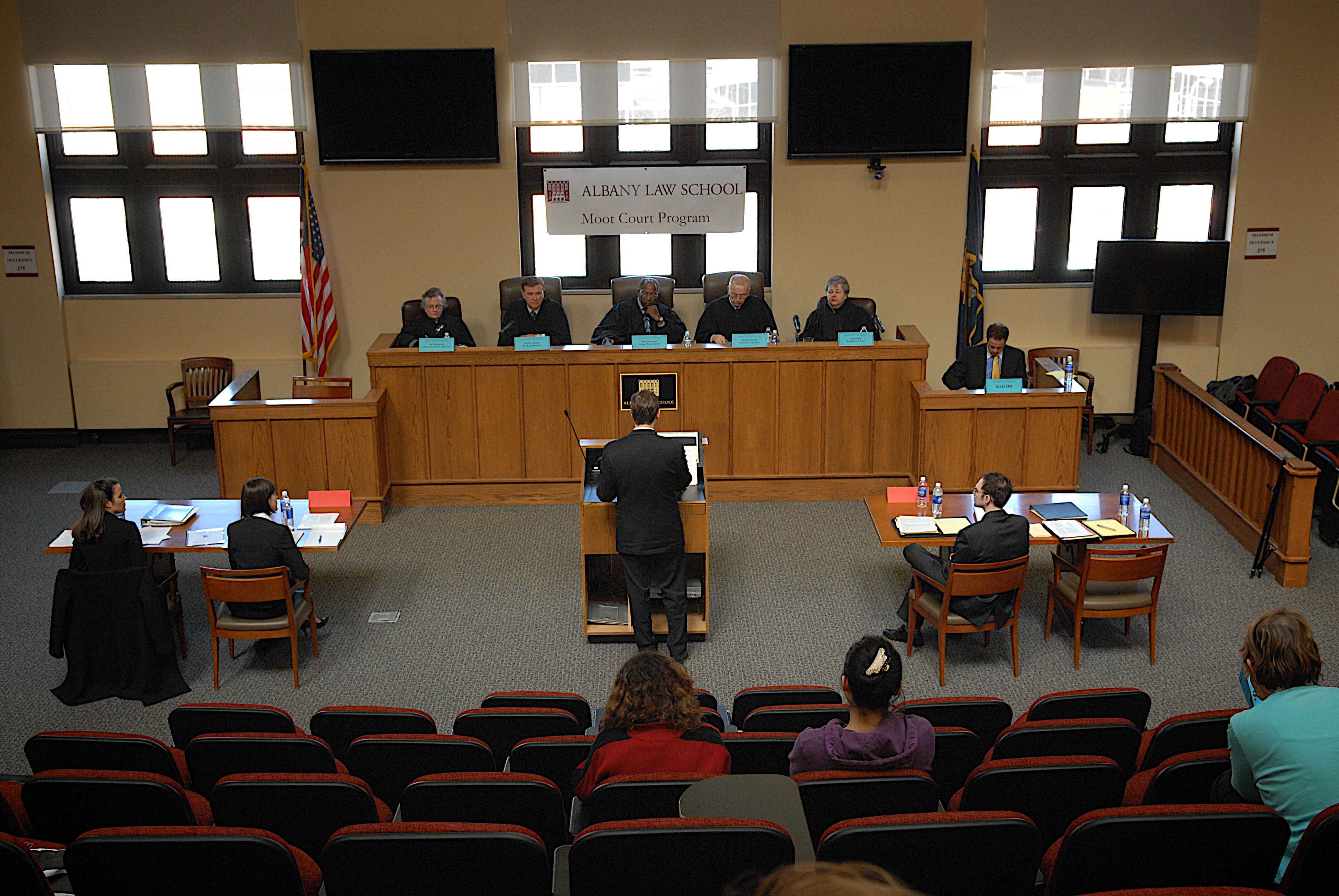
A number of forensic devices use proprietary software to convict defendants. Breathalyzers, DNA testing, facial recognition, and other tools are not fail-proof mechanisms, but rather coded programs designed to test variables accurately. Unfortunately, these devices don’t always achieve that goal, and rulings in California, Pennsylvania, North Carolina, and Florida have determined that defendants are not legally granted access to the code that indicts them.

In California, for instance, Defendant Martell Chubbs is sentenced for a cold case murder committed in 1977. The only evidence is a DNA match configured by a proprietary software program. Chubbs requested access to the software’s source code so that he could compare the code to the currently established scientific procedure for DNA matching. He was denied on the grounds that the defense attorney might duplicate the code, resulting in financial losses for the manufacturer.

It’s not unreasonable that a forensic tool would be miscoded, either intentionally or not. The major car company Volkswagon had a recent scandal that highlighted intentional software glitches employed by well-known, regulated manufacturers. The company manipulated its code to cheat emission tests for 11 million diesel cars, each producing smog at 40 times the legal limit. Volkswagon’s actions carry the weight of an important message: any software program used for public purposes may contain mistakes, and those mistakes will never be discovered if the code is proprietary.

The Innocence Project found that debauched forensic science resulted in the wrongful convictions of 47 percent of exonerees. President Obama has stated that if cross-examination isn’t fair and thorough, forensic testimony is “nothing more than trial by ambush.”

Article via Future Tense, 6 October 2015

Photo: 2009 Gabrielli Family Law Moot Court Competition via Wake Forest University school of Law [Creative Commons Attribution-NonCommercial-NoDerivs]