Peacebuilding can only continue if those involved are able to spread information about what they are doing reliably and efficiently. This sometimes requires resources and training that are not easily available. Internews has worked in more than 90 countries to help train individuals in journalism and media coverage and provide solutions to problems that may arise in trying to disseminate news. With this in mind, Internews has helped support the creation of many media platforms, news sites, radio stations, and more. Additionally, Internews promotes fair media legislature and policies. This allows the news platforms that they help develop to operate with integrity and fulfill their functions.

In addition to supporting the creation of news and media platforms, Internews also researches and publishes best media practices, how media can affect peacebuilding, and more. One research project in collaboration with the World Bank Institute, the Media Map Projectseeks to understand the connections between the development of media and things like economic growth, gender equality, and other factors. The Media Map Project and other research is conducted under the Internews Center for Innovation and Learningwhich is based in Washington, D.C. The Center for Innovation and Learning provides tools for communication, including free operating system software like Ubuntu.

For those interested in learning more about media development, the Center for Innovation and Learning produces blogs on the latest topics, ranging from the connections between Big Data and media to information ecosystems in Libera. To learn more about all of their projects, check out their website.

Source: Internews

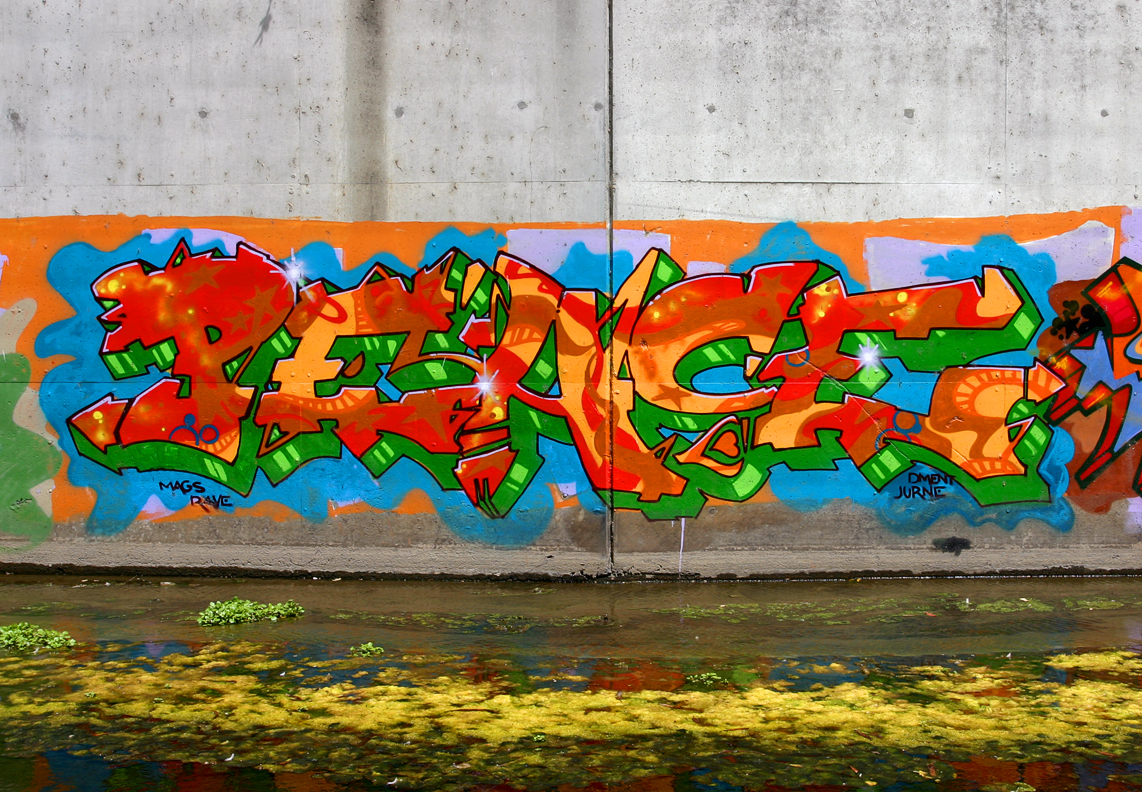
Photo: Peace via Steve Rotman [Creative Commons Attribution-NonCommercial-NoDerivs]
Mediators Beyond Borders (MBB) believes that mediation is key for peacebuilding, since the “only lasting peace is the one built by the disputants themselves.” Therefore, their goal is to be able to bring mediation and organizational skills to communities experiencing conflict. In turn, those communities can use these skills to make a difference in their own lives and other communities. Currently, their volunteers are working with communities in Israel, Colombia, Sierra Leone, among others.

Mediators Beyond Borders also advocates for the importance of mediation. They are an official observer organization for the United Nations Framework Convention on Climate Change (UNFCCC). They use their position to advocate for legislature to include mediation in regards to solving climate change disputes. Additionally, they support endeavors to educate and increase awareness concerning mediation. Similarly, MBB provides consultancy services and will mediate disputes directly if asked. Not only will they train others in mediation, but they will also provide conflict resolution techniques. Their goal is to resolve issues and repair relationships.

Mediators Beyond Borders particularly advocates to put women in mediator roles. To restore communities who have faced conflict, peacebuilding must occur at every level of society and politics. It has been recognized that women are extremely necessary for this to occur, as advocated for by United Nations. Mediators Beyond Borders’ objective is to provide training for women that gives them a network of support and also establish peacebuilding projects that involve more women in social change.

To learn more about Mediators Beyond Borders, check out their website.

Sources: Mediators Beyond Borders

Photo: Peace via Steve Rotman [Creative Commons Attribution-NonCommercial-NoDerivs]

The International Center for Transitional Justiceor ICTJ, for short, is a an international nonprofit focusing on transitional justice. Transitional justice is defined as a “set of judicial and non-judicial measures that have been implemented by different countries in order to redress the legacies of massive human rights abuses” according to the ICTJ. In order to work towards accomplishing transitional justice, the ICTJ provides policymakers at all levels with technical expertise and advice based upon previous endeavors to undo systemic human rights violations. They also collaborate with those seeking transitional justice, helping everything from criminal proceedings to reparations in countries like Tunisia and Argentina. In addition to working directly to enact transitional justice, the ICTJ researches and reports on efforts to enact transitional justice around the world. In this way, the ICTJ can determine what the best practices are and pass them on to their contacts.

The ICTJ also has created content that allows individuals to learn about transitional justice and areas of the world that have been affected by human rights abuse. Their multimedia content contains photos, audio, videos, and interactive pages that allow users to learn about how individuals and groups of people have specifically been affected by transitional periods in their country’s history. They also regularly post news pertaining to issues of transitional justice around the world.

To learn more about the International Center for Transitional Justice’s work, visit their website.

Sources: “What is Transitional Justice?”The International Center for Transitional Justice

Photo: Peace via Steve Rotman [Creative Commons Attribution-NonCommercial-NoDerivs]

Collaboration and technology are both key to successful peacebuilding. TechChange effectively incorporates both into the classes they offer. Their classes range from Introduction to Excel for Data Visualization to Mapping for Social Good and Basics of Digital SafetyTheir learning platform, which all of their courses utilize, also encourages learning from other students by including live group discussions and chats with experts as part of their courses. Additionally, the average course features students from multiple countries around the world, ensuring that the discussions have a global perspective. For those who wish to share their expertise, TechChange also allows individuals to create their own course using their platform. Or, if the class you want is not among the twenty-four courses currently available, TechChange will accept suggestions for future courses. If you aren’t ready to commit to taking a course, their blog offers advice on peacebuilding, utilizing technology, and expanding peacebuilding efforts into global endeavors.

TechChange also recognizes the importance of monitoring professional growth and development. Students can choose to take multiple classes and work towards a diploma, which recognizes that they have taken several classes on using technology to understand and present data. Students working toward a diploma also get to attend workshops and TechChange’s annual conference to further enhance their skills.

To learn more about TechChange and everything they offer, visit their website.

Photo: Peace via Steve Rotman [Creative Commons Attribution-NonCommercial-NoDerivs]

International law experts are on track to publish a manual amending the current Geneva convention for cyberwar in late 2016. The Tallin Manual 2.0 – an update of the original Tallinn Manual on the International Law Applicable to Cyber Warfare—is backed by a NATO-run military think tank based in Estonia.

Military strategists deem cyberspace the fifth dimension of warfare, the others being land, air, sea and space. An example of an “armed attack” in cyberspace is the Stuxnet worm, an Israeli-U.S. programmed computer virus that caused severe disruptions to Iran’s nuclear plants. By the original manual, similar attacks in the future would legally validate proportional retaliation, considered in this case to be self-defense.

The Tallinn Manual 2.0 will discuss peacetime international law, including human rights law in regards to cyberspace. The current question begin argued is whether international human rights norms apply to different widely practiced cyber activities, such as the collection of metadata by national governments.

“If the answer is yes, we then have to examine whether the state has actually violated the individual’s rights. For instance, assuming the collection of metadata implicates human rights norms, under what circumstances is a state authorized to engage in such activities?” asks Liis Vihul, managing editor of the Tallinn Manual and legal researcher at the NATO Cooperative Cyber Defence Centre of Excellence.

Additionally, the updated manual will include sections on diplomatic law, the responsibilities of international organizations, global telecommunications law, and peace operations.

Article via The Register, October 12, 2015

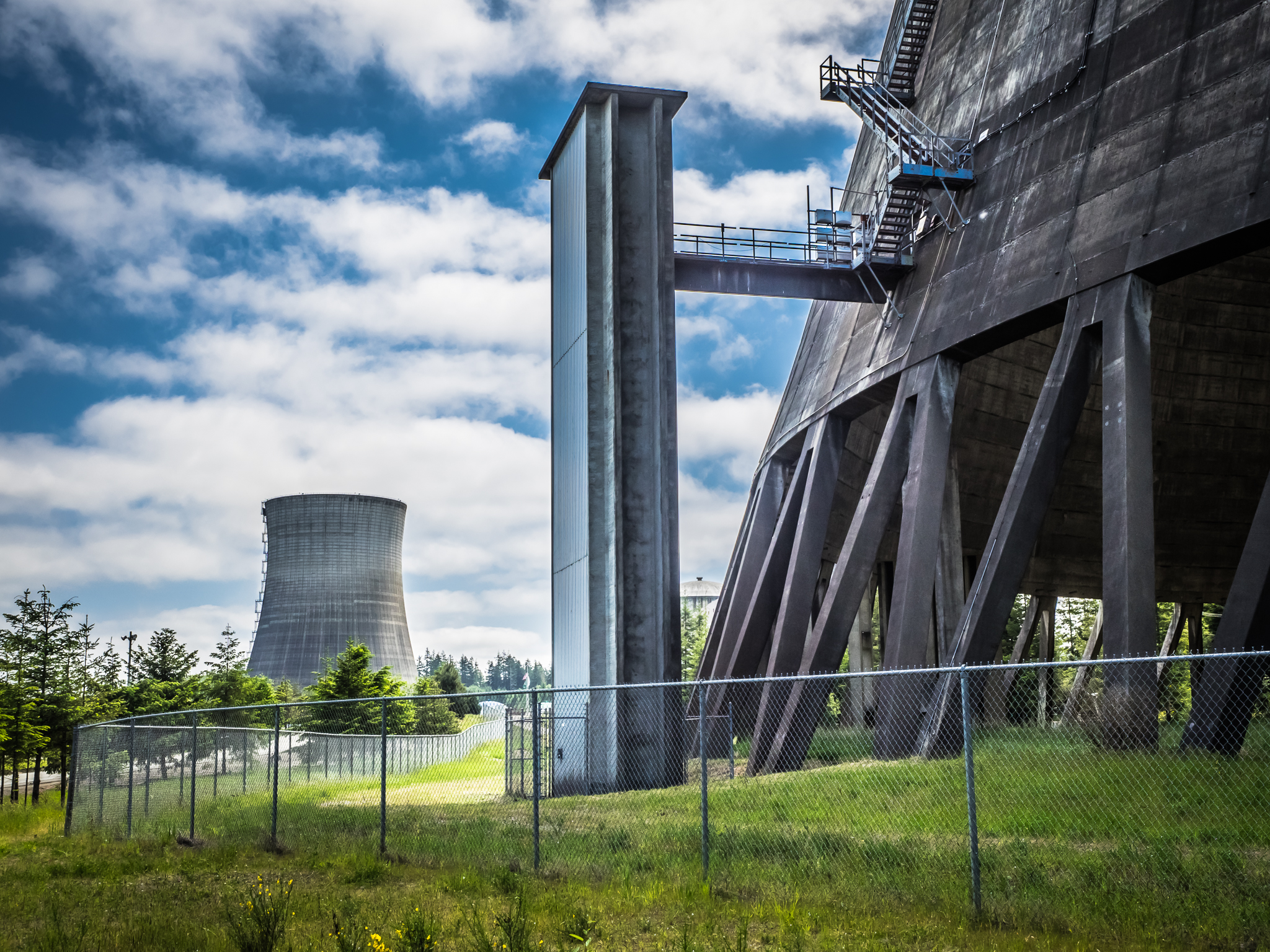
Photo: Satsop Nuclear Plant via Michael B. [Creative Commons Attribution-NonCommercial-NoDerivs]

Ushahidi‘s name means “testimony”, which is fitting. The peacebuilding organization creates software that allows individuals to share their “testimonies” about events in order that other people may become better informed. These “testimonies” can be used to keep track of outbreaks of violence, as was the case after the election in Kenya in 2008. They can also be used to map where relief efforts are needed, such as after the earthquake in Nepal earlier this year. So far, Ushahidi has received over 6.5 million “testimonies” through their programs. In this way, Ushahidi is accomplishing their goal of “creating technology that solves global problems.”

Ushahidi’s crowdsourcing software is applicable to many industries, only one of which is peacebuilding. These industries include human rights, environmental activism, humanitarian aid, and development on the international level, among others. Their software contains multiple features, including collecting and managing the “testimonies”, or data, presenting the data in a visual format, and alerting users to changes in the data. The open source code software also allows users to create their own branding. In addition to creating the software, Ushahidi will also work with users to train them and provides technical support.

In addition to their crowdsourcing software, Ushahidi has several other products. For example, RollCall allows members of team to contact each other on any and make sure that each member is okay, which is particularly useful in crisis situations. CrisisNet, on the other hand, allows people who have collected data on crisis situations an easy way to format and analyze their data. This allows journalists, analysts, and others to get the information they need from the data more quickly. In turn, this allows them to spread information about the crisis in a more time-efficient manner. To learn more about Ushahidi, their crowdsourcing software, and their other products, visit their website.

Sources: QuakeMap Cast Study; Ushahidi

Photo: Peace via Steve Rotman [Creative Commons Attribution-NonCommercial-NoDerivs]