China has censored the internet again after adopting a new national cyber security law that seeks to make data, IT infrastructure and systems, and the internet  in certain areas “secure and controllable,” according to the National People’s Congress website.

Reporters were told by Zheng Shuna, of the NPC’s Legislative Affairs Commission, that cyberspace sovereignty is “the embodiment and extension of national sovereignty” and an important part of national infrastructure (according to Xinhua, a state-owned news agency).

Article via Above The Law, 10 July 2015

Photo:China Flag via Bryan Jones [Creative Commons Attribution-NonCommercial-NoDerivs]
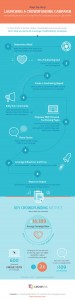
Crowdfunding can be an incredible campaigning tool, especially for a good cause. Finances can be a problem when starting a nonprofit, but crowdfunding has the ability to reach millions of people who would back your cause through donations, via the Internet.

A crowdfunding platform for nonprofits and social good projects, CauseVox explains how to make crowdfunding work for your cause in the infographic below.

social-good-crowdfunding-causevox


Article via Mashable, 22 June 2015

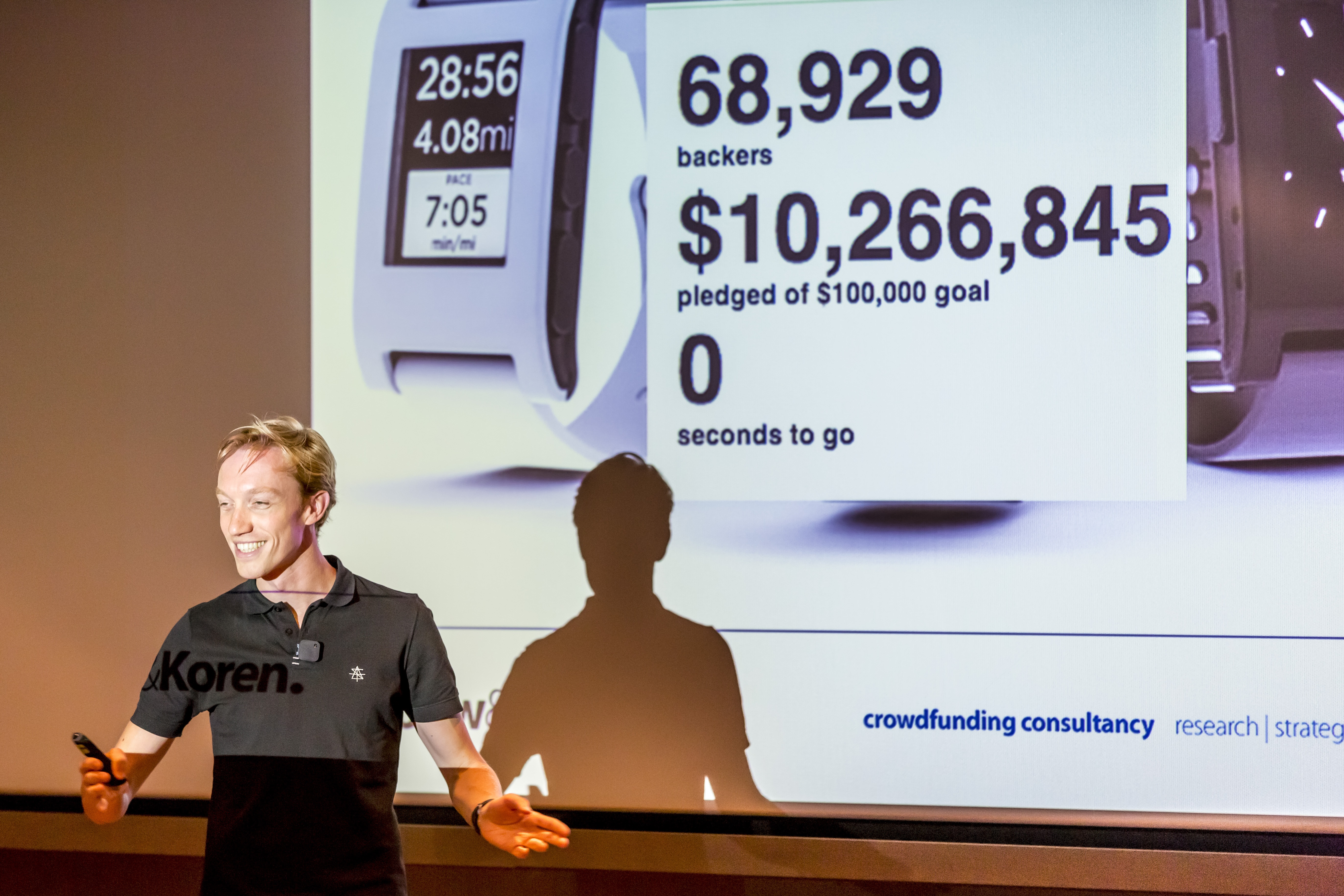
Photo: Interactief seminar Crowdsourcing door Gijsbert Koren van Douw&Koren via Mediawijzer.net [Creative Commons Attribution-NonCommercial-NoDerivs]
Companies are increasingly facing defamation claims from former workers, along with being sued for discrimination and wrongful termination. According to the Recorder, the defamation claim usually accuses the organization of giving inaccurate reasons for firing an employee.

The employment sphere isn’t the only place one might find defamation claims due to social media and review websites, according to Internet law attorney Karl Kronenberger.

L. Julius Turman, a Reed Smith partner and attorney, said that 60 to 70 percent of his wrongful termination and harassment cases incorporated defamation claims.

In a suit by Robert Sallustio, a defamation claim made a large difference in the outcome of his case. Sallustio argued that Kemper Independence Insurance Co. fired him after wrongly claiming that he wasn’t attending work in the morning. He won his defamation judgement in the California case last year, which was nearly $5.7 million, despite losing his retaliation and wrongful termination claims.

Article via ABA Journal, 27 May 2015

Photo: construction via J J [Creative Commons Attribution-NonCommercial-NoDerivs]

A London-based startup, CrowdJustice, has emerged and hopes to help communities fund legal action. The startup, founded by ex-UN lawyer Julia Salasky, is a crowdfunding platform for public interest litigation. The group’s goal is to provide access to justice for poorly-funded legal cases through the Kickstarter model. According to Salasky, CrowdJustice let’s communities come together to access the court system and protect their shared values and assets. The types of cases CrowdJustice features could vary from local to nationally-based issues. Until recently, there really wasn’t a means for communities to take advantage of the finances and energy of the community as a whole; typical public interest cases relied on the financial sacrifice of a few individuals.

Article via TechCrunch, 22 May 2015

Photo: 104:365 – a little justice via orangesparrow [Creative Commons Attribution-NonCommercial-NoDerivs]
 

The ability to connect attorneys with potential clients in drunken driving cases, potentially before they are ticketed, is now possible due to the new smartphone app, the Duey Dialer. According to developer Daniel Delgado, the application allows a driver to trigger a traffic stop audio recording with the touch of a button and even contacts a lawyer with expertise in drunken driving cases automatically if not turned off within 45 minutes. The information sent includes the audio recording, location, identity, home address and contact information of the client. The attorneys pay for the app, which is available for Android use only and is currently used in six states.

Article via ABA Journal, 26 May 2015

Photo: Police Lights via J J  [Creative Commons Attribution-NonCommercial-NoDerivs]

 

Can Sony get around the First Amendment to sue the media over the hack? (Eriq Gardner, 15 Dec 2014) – On Sunday night, famed attorney David Boies sent a threatening letter on behalf of Sony Pictures toThe Hollywood Reporter , The New York Times and other news organizations demanding destruction of stolen information and warning of consequences for publishing the company’s secrets. If Sony does decide to go to court against the media over revelations that keep coming – Channing Tatum and Chris Pratt wish to rebootGhostbusters , George Clooney lost faith in The Monuments Men , Sony executives weren’t thrilled by Leonardo DiCaprio dropping out of a Steve Jobs biopic – the First Amendment stands as a roadblock. But maybe not an impenetrable one. Many attorneys are now carefully reading every word from a 2001 Supreme Court decision,Bartnicki v. Vopper . The case concerned union officials whose intercepted cell phone conversations landed in the hands of a radio commentator who broadcast the contents. At the high court, the media defendants were given a pass from violating a federal wiretap law as they “played no part in the illegal interception,” “their access to the information on the tapes was obtained lawfully, even though the information itself was intercepted unlawfully by someone else” and finally, “the subject matter of the conversation was a matter of public concern.” That decision offers tremendous hope for news organizations that Sony’s threats against the news media are empty. “Unless the media is involved in the hacks themselves, the Bartnicki case puts the law on the side of the media,” says Andy Sellars at Harvard University’s Berkman Center for Internet & Society. However, some caution might be in order for two reasons.


Provided by MIRLN.

Image courtesy of Creative Commons / Mr. TinDC