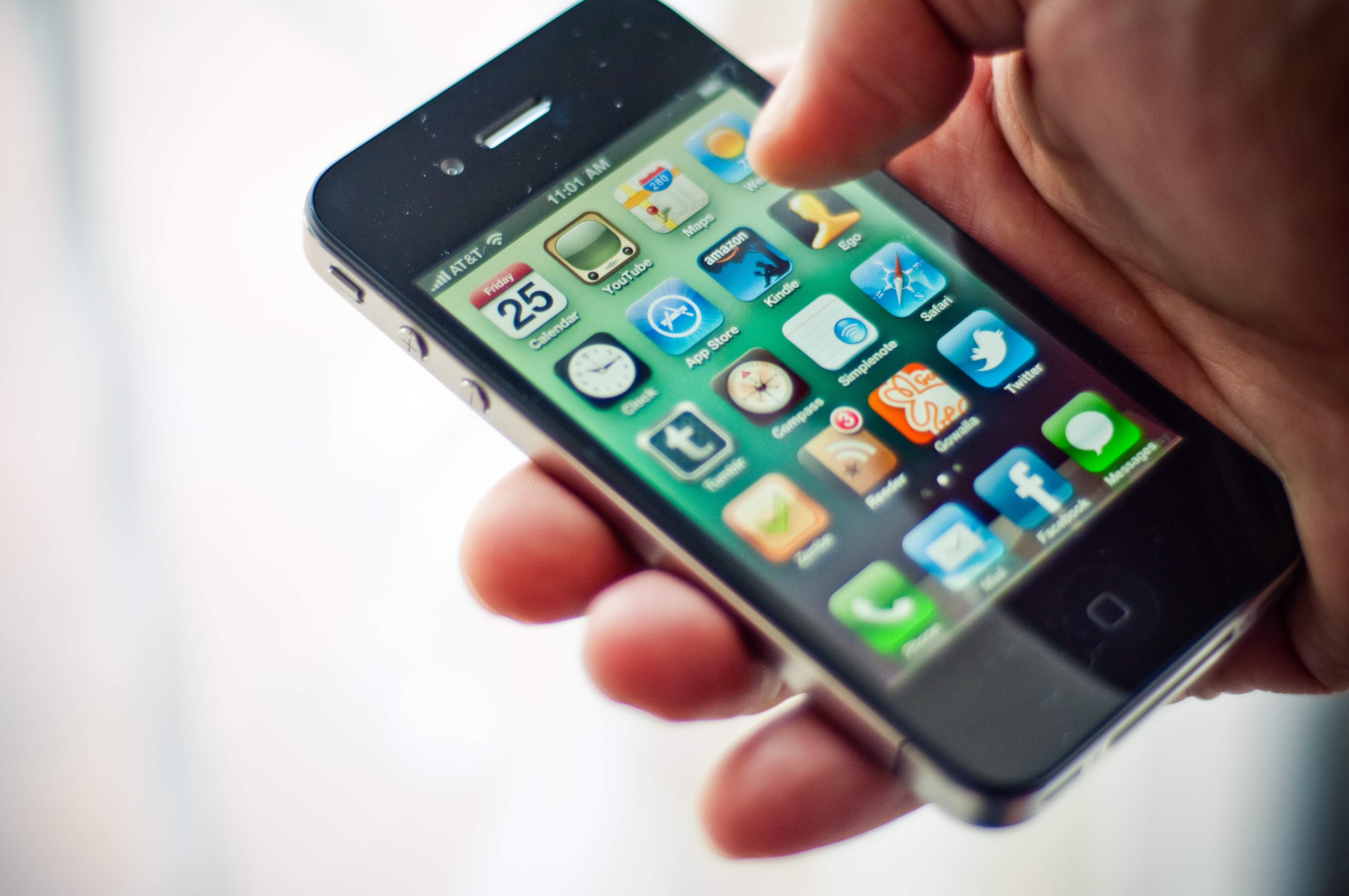
According to Manhattan’s District Attorney, smartphone data encryption hinders criminal investigations in state courts. Cyrus R. Vance, Jr. testified to the Senate Judiciary Committee on July 8, 2015 in an effort to advocate legislation allowing law enforcement officials to access private phone data with judicial authorization.

Vance, Jr. cites that 71% of phone evidence in his office comes from Apple or Android devices. As a result, Apple and Google’s move to fully integrate data encryption in their next devices will significantly affect prosecution processes in state courts.

State courts adjudicate over 90% of all criminal cases annually, which means over 100,000 cases for Vance’s office alone.

“To investigate these 100,000 cases without smartphone data is to fight crime with one hand tied behind our backs,” he asserts.

Vance does not support bulk data collection or surveillance without authorization. Civil liberty and privacy advocates are still wary, however, and endorse data encryption overall. This sentiment is in relative accordance with statements from Deputy Attorney General Sally Yates and FBI Director James Comey. They say that the Obama administration has no current plans to mandate companies to provide federal agents encryption keys for their products, but they also recognize that companies should not make their devices “warrant-free zones” that impede law enforcement’s authorized access to criminal evidence.

Article via Legaltech NewsAugust 10, 2015

Photo: IPhone via Jorge Quinteros [Creative Commons Attribution-NonCommercial-NoDerivs]

Recent incidences of police brutality have sparked public outrage, and as a result, the use of police dashboard and body cameras has increased. However, footage released to the public could be altered. Sandra Bland’s arrest video, for example, loops several times in the 52 minute span. Journalists have accused police departments of editing the videos; the Texas Department of Public Safety denies any tampering of the footage.

Police camera footage is stored unaltered on police department software systems. This is because the Axon body cam dominates the police camera industry, and it records footage in a way that is nearly impossible to corrupt. The only way an officer could impede a video is by physically pushing the off-button for five seconds, an unlikely occurrence during a high-intensity event. Additionally, the officer’s name is attached to the video for as long as it exists in the software system.

Although raw footage can’t be edited, there’s no way to regulate what edits are made to the footage released to the public. In fact, almost all videos that the media releases are edited—bystanders’ faces are blurred, and sections of video with no action are removed. The Freedom of Information Act has no provisions that require police departments to release raw footage. However, several incidences recorded on police cameras have led to the indictment of guilty officers, and no allegations that videos are tampered have been confirmed.

It’s evident that police body and dashboard cams will continue to rise to prominence, whether the accusations of video tampering are true or not. The Obama administration has proposed a $75 million program to provide 50,000 cameras to agencies, and the Department of Justice is allocating $20 million for police body cameras.

Article via The Huffington Post, August 28, 2015

Photo:  via Whoop Whoop that’s the Sound of the Police via AshtonPal [Creative Commons Attribution-NonCommercial-NoDerivs]

Uber, which has been met with legal resistance in cities across the United States and around the world, recently had a small win against charges from taxi companies and related services when a district court judge dismissed several complaints against the company in Connecticut. The lawsuits leveled against Uber included charges of incorrectly reporting the services they offer, intentionally deceiving customers, and, most surprisingly, racketeering. Racketeering is usually associated with criminal endeavors and no disputes between related companies. With this in mind, US District Court Judge Thompson ruled that the lawsuits had no base.

While his ruling has been praised by Uber, the company may not be in the clear. Judge Thompson has given the taxi and limo companies behind the lawsuits against Uber the chance to alter their lawsuits and potentially challenge Uber in court once again. Additionally, Uber is still facing ongoing legal disputes around the US and in other countries.

Article via CNET, 14 August 2015

Photo: Taxi life n.1  via Daniel Horacio Agostini [Creative Commons Attribution-NonCommercial-NoDerivs]

 

Casetext,a free legal research website that uses crowdsourcing to annotate cases, has introduced a brand new tool that publishes attorney’s commentary and connects them to cases they cite. Users of the new LegalPad app can write articles and share them with particular interest groups in the Casetext community

Attorneys who publish articles on the site can create a reputation in their specific areas, according to Casetext.

“Legal writing is exceptionally hard. You feel constantly buried in dozens of sources, trying to keep quotes and citations straight,” according to Jake Heller, Casetext founder. “We crafted technology to help writers focus on what matters most: developing their message.”

Article via ABA Journal, 2 July 2015

Photo: A Writer’s Morning via Gene Wilburn [Creative Commons Attribution-NonCommercial-NoDerivs]

California’s labor commission has decided that one of Uber’s drivers is an employee and not an independent contractor. Uber, a ride-hailing service and popular app, may have to change its business model in the state. While the ruling was made in March, it has now become public due to Uber filing an appeal.

Classifying the drivers as contractors has allowed Uber to avoid paying for Social Security tax, paid sick days, health insurance, car maintenance and gas along with other expenses. Uber will be obligated to pay for these expenses if their drivers are defined as employees, and the effects could be felt by customers as well as set a precedent for future lawsuits.

Article via CNET, 17 June 2015

Photo: GREAT experience with @Uber via Anne Ruthmann  [Creative Commons Attribution-NonCommercial-NoDerivs]

Companies are increasingly facing defamation claims from former workers, along with being sued for discrimination and wrongful termination. According to the Recorder, the defamation claim usually accuses the organization of giving inaccurate reasons for firing an employee.

The employment sphere isn’t the only place one might find defamation claims due to social media and review websites, according to Internet law attorney Karl Kronenberger.

L. Julius Turman, a Reed Smith partner and attorney, said that 60 to 70 percent of his wrongful termination and harassment cases incorporated defamation claims.

In a suit by Robert Sallustio, a defamation claim made a large difference in the outcome of his case. Sallustio argued that Kemper Independence Insurance Co. fired him after wrongly claiming that he wasn’t attending work in the morning. He won his defamation judgement in the California case last year, which was nearly $5.7 million, despite losing his retaliation and wrongful termination claims.

Article via ABA Journal, 27 May 2015

Photo: construction via J J [Creative Commons Attribution-NonCommercial-NoDerivs]