
While writing has always been part of the practice of law, many top firms have gone above and beyond by becoming more accesible to the public through blogs. More than 80% of BigLaw, or firms included in Am Law 200, are blogging, and approximately 962 individual blogs are being run by those firms and their attorneys.  Of the 962 blogs, 916 are “firm-branded”, with the firm claiming ownership of the blog and its content, but the rest are operated by individual lawyers. The latter is decreasing, though, as more firms take note of how blogs can be used to generate interest and eventually clients for the firm. With this in mind, the average firm runs six blogs, with each catering to different areas and topics. The most popular topics for blog posts range from employment and labor all the way to healthcare. Also, as law is changing and welcoming the new questions that technology brings, some more recent blogs focus on intellectual property, insurance, and international law. Even though blog topics are addressing relevant concerns, most law firms are not utilizing newer resources such as responsive design, which makes blogs more accessible to readers using mobile devices.

Though law firms can certainly use blogs as part of their marketing, many firms opt out of making them a part of their site, instead only including a link to the firm’s website on the blog. This opens up many more options for the blog, including possible inclusion in articles by Google News or the ability to have a profound effect on opinions in a certain area. Developing this influence in a particular niche is something the most visited blogs do well, along with posting frequently and being well-maintained. By only focusing on a specific area, certain blogs are quickly becoming a main source of news for topics such as the Consumer Financial Protection Bureau or pharmaceutical patents and intellectual property. Blogging about specific but relevant topics in an easy-to-read manner keeps readers returning to read more.

Article via Above the Law, July 8, 2015

Photo: Untitled via SuzieWong [Creative Commons Attribution-NonCommercial-NoDerivs]

Artificial intelligence features heavily in science fiction, from 2001: A Space Odyssey to Star Wars, but AI systems may soon become commonplace in day to day activities. Ten years from now, one third of standard jobs are expected to be completed by robots. While this may raise many concerns, perhaps the most unexpected issue lies with which legal and civil rights will be granted to artificially intelligent beings.

Recently, an artificially intelligent system in Switzerland that was programmed to shop online purchased several illegal items and was subsequently arrested. However, neither the system nor its creators were prosecuted. Cases like this question who should be held accountable for crimes committed by AI systems. Can artificially intelligent beings be held responsible for their actions? If the system is acting independently and is charged with a crime similar to how a human being would be charged, should the AI system be considered to have its own individual identity? And if AI systems have their own identities, should they also be granted the same rights as a human being? After all, a robot was created that could pass a test signifying that that it is self aware, a test that before only humans could pass.

While science fiction appears to have spent years preparing the world for the introduction of artificial intelligence into every day activities, the ethical and legal problems concerning the new technology are still surprising law enforcers and creators alike.

Article via TechCrunch, August 22, 2015

Photo: Electric Neuron via Ronny R [Creative Commons Attribution-NonCommercial-NoDerivs]

According to Daniel Linna Jr, the director of the new Center for Legal Services and Innovation, or LegalRnD, T-shaped lawyers will be leading the law profession in the near future. T-shaped lawyers are trained specifically to deal with modern issues by becoming knowledgeable in other areas such as business, coding, and management. By helping lawyers become more efficient in their business practices, it is the hope of the Michigan State Law Department that the new legal research center will help make lawyers more accessible to the three quarters of individuals and businesses who receive a moderate income but cannot always afford the expense.

Linna explains that the research and classes being conducted in LegalRnD will help lawyers connect to more modern problems, and the center will accomplish that goal by focusing on interdisciplinary classes and innovation. Introducing lawyers to technology, especially through hackathons such as LexHacks in Chicago, is part of Linna’s plan to lead the legal world towards finding new creative solutions to 21st century problems.

Article via MSU TodayJuly 20, 2015

Photo: Michigan State University via Jimmy Everson, DVM [Creative Commons Attribution-NonCommercial-NoDerivs] 

The results of a survey by the firm Robert Half indicate that legal and information technology departments are working together more closely than ever. The findings, published under the name “Future Law Office 2020”, report that eighty percent of the 350 lawyers questioned indicated that their collaboration with the IT department had increased in the past two years. Additionally, both new technology and cybersecurity were two of the three problems that the pollers expected to have the most influence on practicing law in the future. As new projects focusing on securing data, complying and abiding by privacy laws, and e-discovery are brought to lawyers, they can expect to develop a much closer relationship with the IT department. Companies used to the divide between the legal and technical teams will be hindered and fall behind organizations that encourage and foster the collaboration.

Article via Legaltech NewsAugust 10, 2015

Photo: Night Work via Thomas Heylen [Creative Commons Attribution-NonCommercial-NoDerivs]
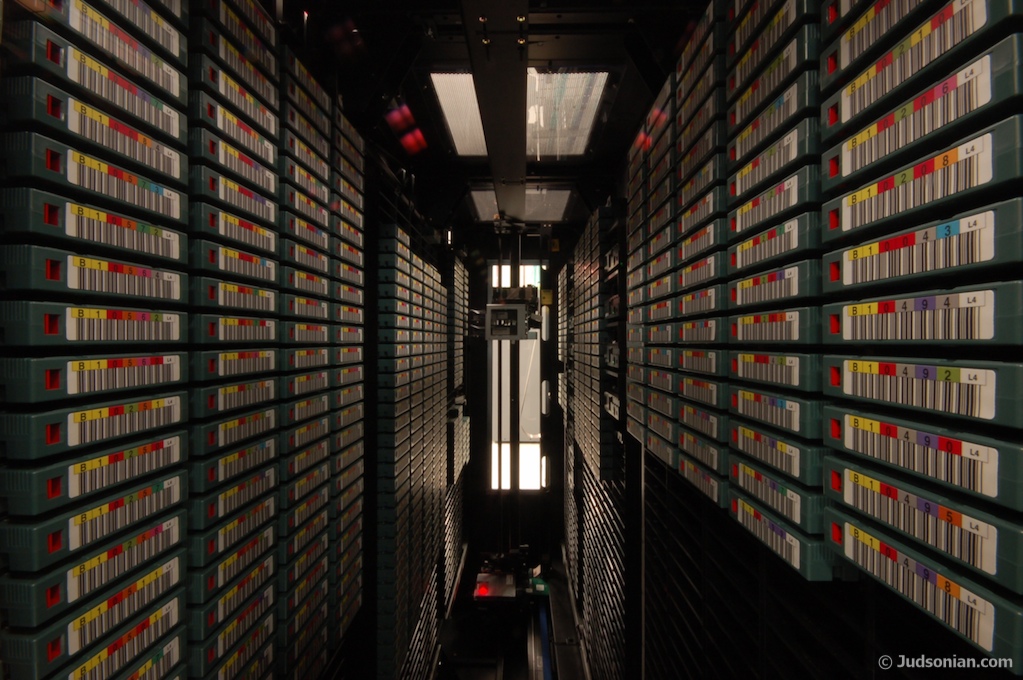
As more and more content ranging from emails to personal information is being stored virtually in the cloud, questions about who should be able to access this content and how they must obtain the information are starting to arise. Currently, Microsoft has challenged the ability of the US government to obtain information stored in one of their data centers located abroad. If the information was stored in a physical form, the United States would have to work in cooperation with the government of the country in which the information is stored. However, the law is not as black and white concerning digital files. Executive Vice President and General Counsel of Microsoft Brad Smith states that is the responsibility of not only tech companies but also Congress to start setting precedents for laws regarding internet privacy so citizens can trust and understand digitally-storing files.

Smith also states that views on who has ownership of digital files may need to be altered. He explains that companies providing online storage have no more ownership of the files than the post office has of the content of a letter that is being mailed. Congress will also have to decide whether physical borders between countries continue to exist in the virtual world. Though the technicalities and concerns about internet privacy may seem confusing, Smith reassures tech users that measures are already being implemented that relieve citizens of having to worry about their privacy being violated even if they don’t understand all the ins and outs of cloud storage.

Article via Above the LawAugust 18, 2015

Photo DSC_6005 via Judson Weinsheimer [Creative Commons Attribution-NonCommercial-NoDerivs]

Uber, which has been met with legal resistance in cities across the United States and around the world, recently had a small win against charges from taxi companies and related services when a district court judge dismissed several complaints against the company in Connecticut. The lawsuits leveled against Uber included charges of incorrectly reporting the services they offer, intentionally deceiving customers, and, most surprisingly, racketeering. Racketeering is usually associated with criminal endeavors and no disputes between related companies. With this in mind, US District Court Judge Thompson ruled that the lawsuits had no base.

While his ruling has been praised by Uber, the company may not be in the clear. Judge Thompson has given the taxi and limo companies behind the lawsuits against Uber the chance to alter their lawsuits and potentially challenge Uber in court once again. Additionally, Uber is still facing ongoing legal disputes around the US and in other countries.

Article via CNET, 14 August 2015

Photo: Taxi life n.1  via Daniel Horacio Agostini [Creative Commons Attribution-NonCommercial-NoDerivs]